
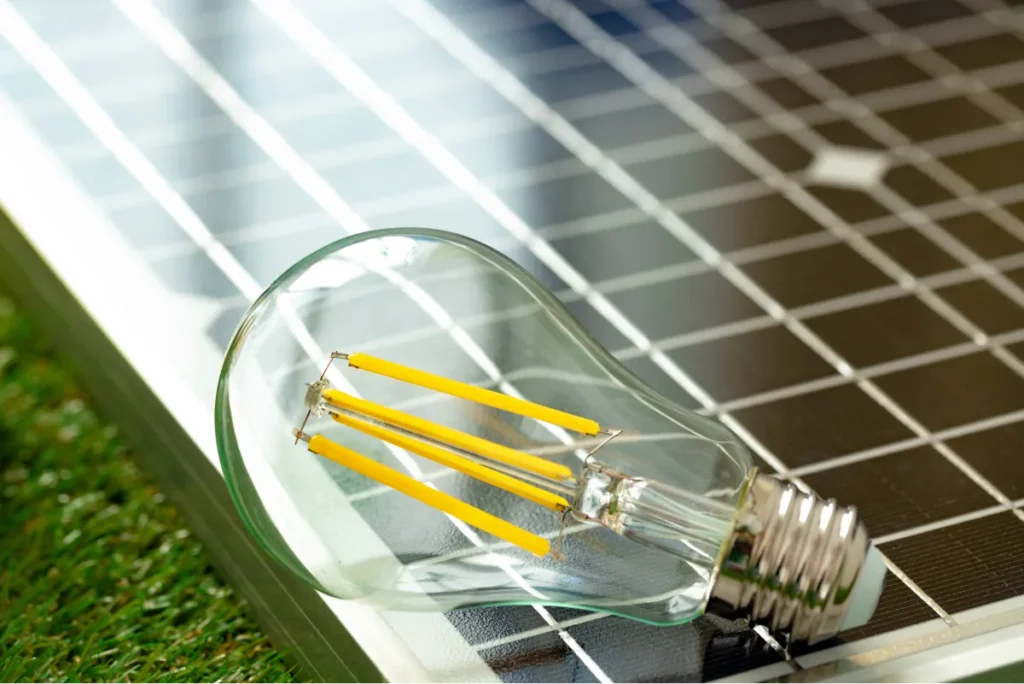
Solar energy has become one of the most effective solutions for improving electricity access in rural regions, where grid connectivity is often limited or unreliable. Many villages still experience frequent power cuts or depend on costly diesel generators, making everyday tasks challenging for homes, schools, and small businesses. Solar systems provide a dependable alternative by harnessing abundant sunlight and converting it into clean, consistent energy. With options like off-grid and hybrid systems, rural communities can enjoy stable electricity without depending on traditional power lines. This shift opens the door to better lighting, improved communication, and a more comfortable lifestyle for families who previously struggled with power shortages.
Beyond meeting basic needs, solar power also plays a major role in economic development across rural areas. Farmers can use solar pumps for irrigation, reducing their reliance on expensive fuel and increasing crop productivity. Small businesses benefit from uninterrupted electricity for machinery and storage, helping them operate more efficiently and expand their services. Schools and healthcare centers gain access to reliable power, improving education and medical support for local communities. By promoting self-reliance and sustainability, solar energy empowers rural regions to grow, innovate, and move toward a brighter, more resilient future.